Modern consumers are making purchasing decisions differently than they did in the past. While price and appearance still matter, personal comfort has become one of the strongest influences behind buying behavior. People now want products, services, and experiences that improve convenience, relaxation, and overall quality of life. From clothing and furniture to technology and travel choices, comfort is shaping the way people spend money across many industries.
The growing focus on comfort is connected to changing lifestyles, busy schedules, and the desire for balance in everyday living. Consumers are paying closer attention to how products make them feel rather than simply how they look.
The Shift Toward Everyday Convenience
One major reason comfort has become important is the fast pace of modern life. People often juggle work, family responsibilities, social commitments, and digital communication at the same time. Because of this, consumers are choosing products that reduce stress and make daily routines easier.
Simple features such as soft fabrics, ergonomic designs, lightweight materials, and user friendly technology can strongly influence buying decisions. Companies are responding by creating products designed around relaxation and convenience instead of only focusing on style.
This shift can be seen in industries such as fashion, furniture, travel, home improvement, and even digital services. Many businesses are now marketing products based on emotional satisfaction and physical comfort rather than luxury alone.
Comfort and Lifestyle Trends
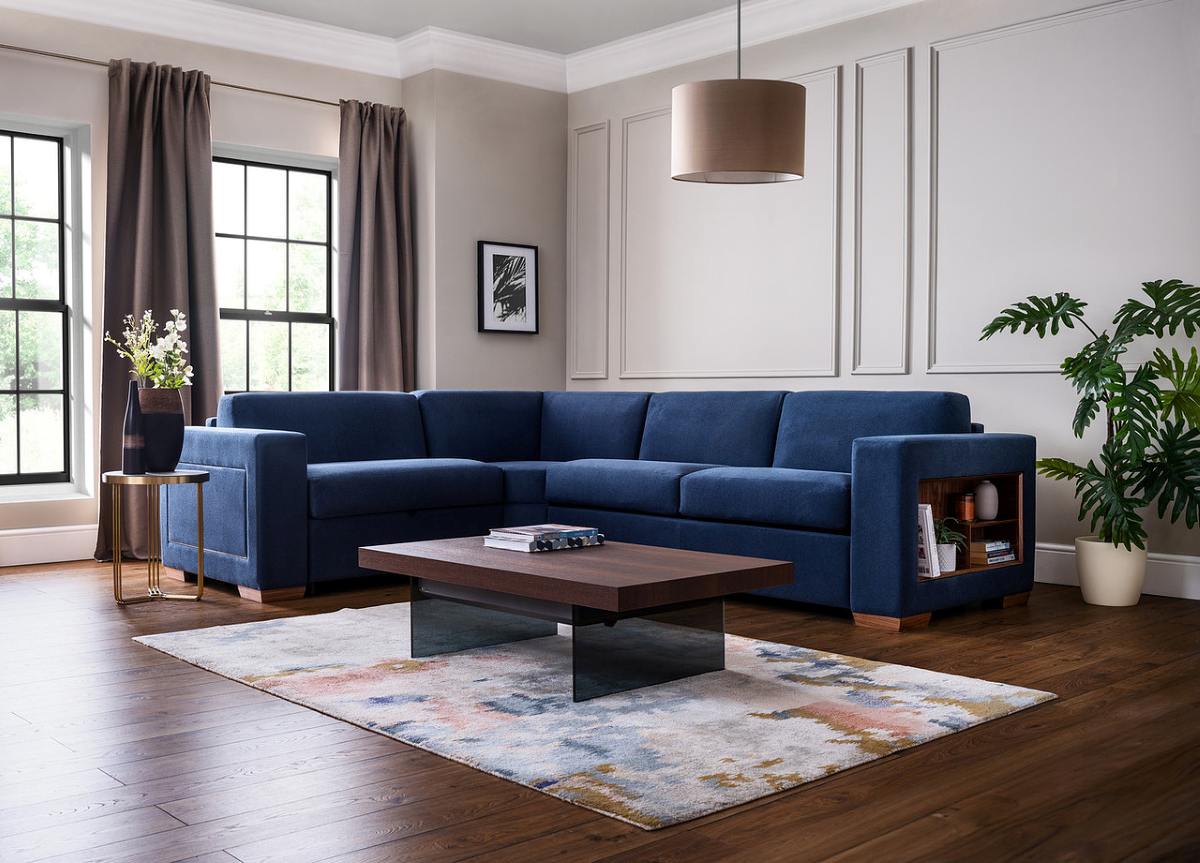
Lifestyle trends are also influencing the demand for comfortable products. Remote work, flexible schedules, and more time spent at home have changed consumer priorities. Homeowners are investing in cozy furniture, better lighting, and relaxing interior designs that improve daily living.
At the same time, fashion brands are introducing more casual and comfortable clothing collections. Sneakers, loose fitting outfits, and breathable fabrics have become increasingly popular because people value practicality alongside appearance.
Many discussions surrounding these changing habits are appearing in platforms covering trending news Australia, where lifestyle and consumer behavior trends are regularly explored. Businesses are paying close attention to these changes to better understand what modern buyers expect.
Emotional Comfort Influences Spending
Comfort is not only physical. Emotional comfort also plays a major role in purchasing decisions. Consumers often choose brands that make them feel safe, understood, and confident. Friendly customer service, easy return policies, and personalized shopping experiences all contribute to emotional satisfaction.
People are more likely to support businesses that simplify the buying process and reduce frustration. Online shopping platforms now focus heavily on smooth navigation, quick delivery, and easy payment systems because convenience directly affects customer loyalty.
This growing focus on emotional connection has also changed advertising strategies. Many brands now highlight relaxation, happiness, and peace of mind instead of only promoting product features.
Businesses Are Adapting Their Marketing Strategies
As comfort becomes a larger priority, businesses are adjusting the way they market products and services. Companies understand that customers want experiences that feel natural and stress free. This has created new opportunities in local business marketing, especially for smaller businesses looking to connect with their communities.
Local brands often promote personalized service, comfortable environments, and customer care to stand out from competitors. Cafes, wellness centers, retail stores, and hospitality businesses are designing spaces that encourage customers to relax and spend more time enjoying the experience.
Digital marketing campaigns are also changing. Advertisements now frequently focus on comfort related themes such as self care, convenience, flexibility, and work life balance.

Travel Choices Are Becoming Comfort Focused
The travel industry is another area where comfort strongly influences buying behavior. Travelers now prioritize convenience, relaxation, and stress free experiences when planning trips. Comfortable accommodations, flexible transportation, and peaceful destinations are becoming more attractive than overly packed itineraries.
Many tourists searching for a melbourne travel guide are now looking beyond traditional attractions. They want relaxing cafes, quiet neighborhoods, wellness experiences, and comfortable accommodations that create a more enjoyable journey.
This trend shows how travel is no longer only about sightseeing. People increasingly value comfort and emotional well being during their experiences.
Digital Content Shapes Consumer Preferences
Online content and social media continue to shape consumer expectations about comfort and lifestyle choices. Blogs, videos, and influencers regularly showcase cozy homes, relaxing routines, and simplified living styles. These trends encourage audiences to seek products that match those experiences.
Websites similar to a sydney features blog often highlight lifestyle improvements, comfortable urban spaces, and modern living trends that appeal to readers seeking balance in their lives. Consumers are constantly exposed to content that connects comfort with happiness and productivity.
As a result, businesses are creating products and services that align with these growing expectations.
Comfort Is Driving Future Consumer Trends
The importance of comfort is likely to continue growing in the future. Consumers are becoming more selective about how products fit into their daily lives. They want purchases that support convenience, relaxation, health, and emotional well being.
Many discussions around australia trending topics now include conversations about lifestyle balance, wellness, flexible living, and consumer preferences. These changing priorities are shaping industries worldwide and influencing how brands develop products for modern audiences.
Conclusion
Personal comfort has become a major buying influence because modern consumers value convenience, emotional satisfaction, and practical living more than ever before. Whether shopping for clothing, furniture, travel experiences, or digital services, people are choosing products that improve their everyday lives. Businesses that understand this shift are better positioned to build stronger customer relationships and adapt to changing consumer expectations in the years ahead.